Dental Treatments

Our services
We really care for you and we understand the importance of having a good smile. That´s why our office features dental technology carefully chosen to give you the best service possible.
Our catalog of services include: Dental Implants, Bone Expansion, Bone Graft, Sinus Lift, Single Tooth Replacement, Implant/Bridge, OverDenture, among others.
Importance of bones types in dental treatments
In order for you to be able to understand our process, we have put together some very detailed information on bone types and how this affects the way surgery will apply to your specific case.
As far as the procedures themselves, please browse the following list and click on the subject of your interest:
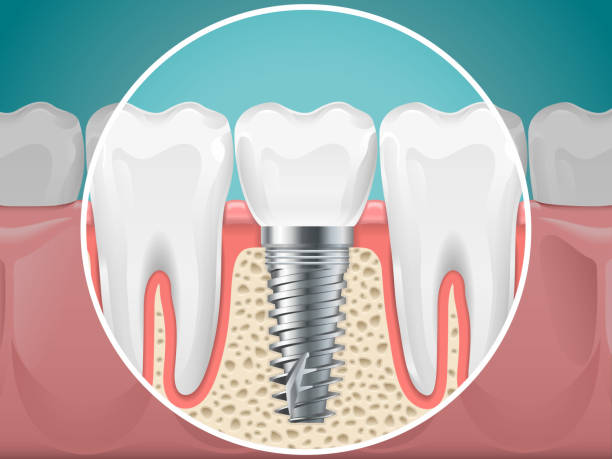
There are four types of bone in the human face and the length of treatment for placing and restoring implants with a “tooth” and crown depends on which type of bone the implant is placed in. Implants have to integrate with the surrounding bone before a tooth and crown is placed on it. A good cortical anchorage is necessary for a functional dental implant.

Type I bone is considered a very hard and dense structure. It also provides a great cortical anchorage, but limited vascularity. The blood supply is required for the bone to harden or calcify the bone next to the implant. Therefore, it takes approximately 5 months for this type to integrate with an implant as opposed to 4 months for type II bone.

Type II bone is considered the best bone for dental implants. It isn’t as hard as type I. It also provides good cortical anchorage for primary stability and it´s known for having a good vascularity system.

Type III bone isn’t as dense as type II. Since the density isn’t as great as type II, it takes more time to integrate it with an implant. Six months time is suggested before loading an implant placed in this type of bone. Extended gradual loading of the implant can, however, improve the bone density.

The Type IV is a very delicated bone, almost comparable to styrofoam. This type takes about eight monts to be full integrated with the implant after placement. Additional implants are neccesary to improve bone loading distribution. An aditional augmentation of the bone is often required.


